Offered by Galerie Lamy Chabolle
REQUEST INFORMATION

Decorative art from 18th to 20th century
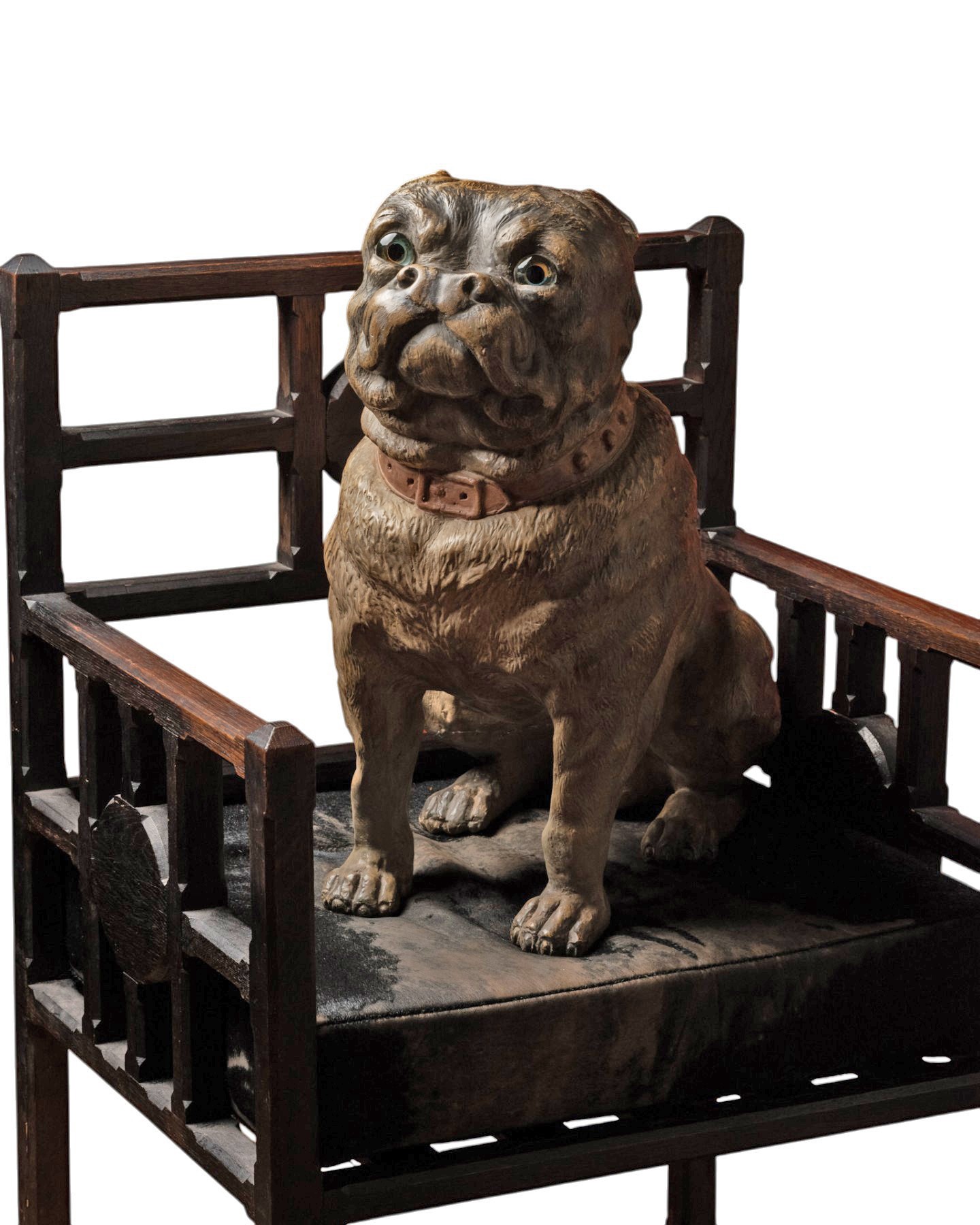
Terracotta and sulphide
Czech Republic
Late 19th century
52 x 45 x 25 cm
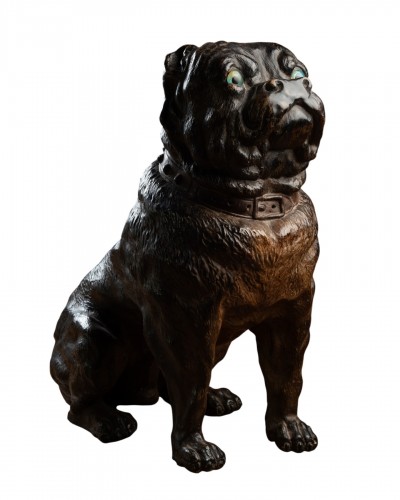
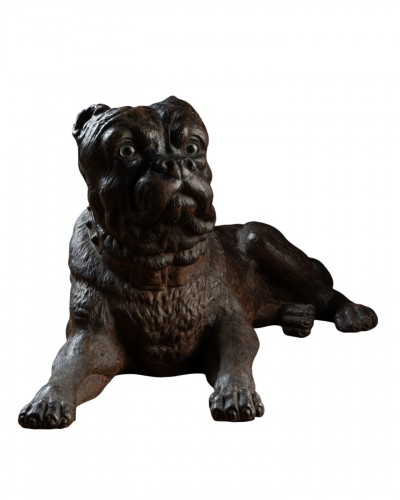
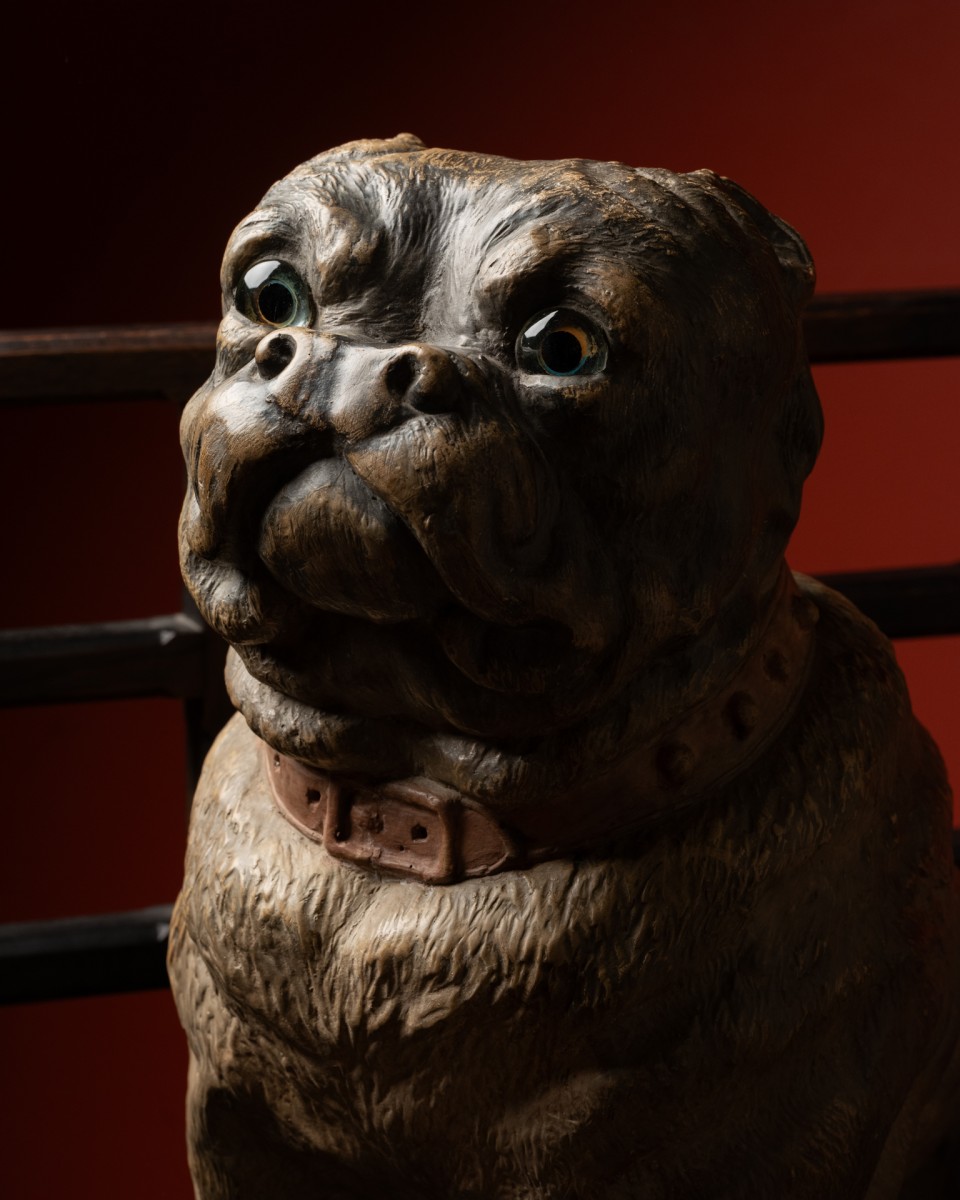
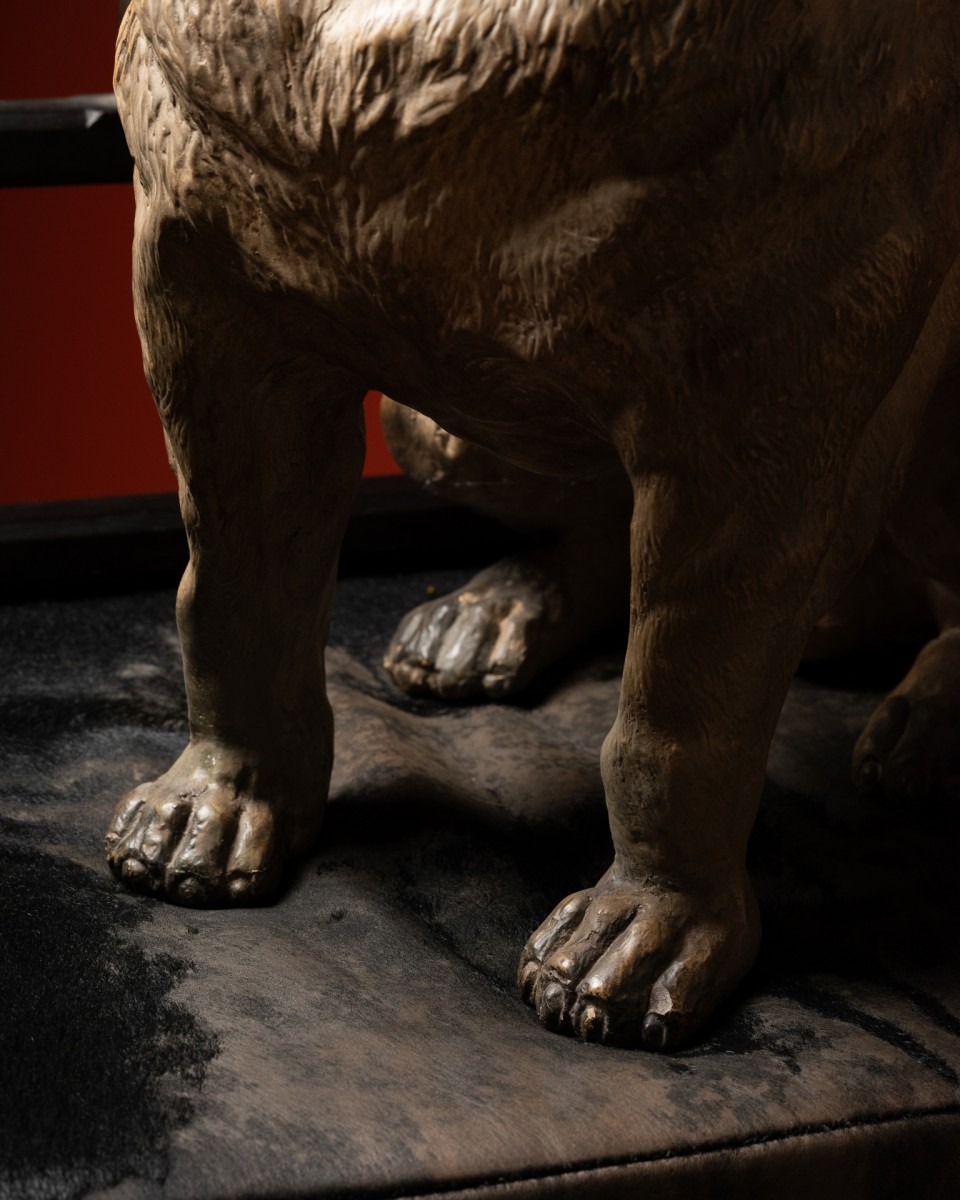
Painted terracottas of this type, most often depicting life-size pug with eyes in cristallo-ceramic known as ‘sulphide’, are frequently held to be of Austrian origin on the grounds of their resemblance to the small animal figurines of Friedrich Goldscheider. The hypothesis of a Victorian English production has also been put forward, most likely due to the breed itself and a strong tradition of animal sculpture in porcelain and terracotta in Staffordshire.
It seems more probable, however, that dog sculptures of this kind are of Czech manufacture: similar cold-painted terracotta dogs do indeed bear the mark of Johann Maresch (1821–1914), a Bohemian ceramicist whose manufactory was active in Ústí nad Labem, near the present German-Czech border. The use of sulphide — the encrustation of ceramic forms within molten crystal or glass — further supports this Bohemian hypothesis; and the fact that the Kingdom of Bohemia belonged to the Austro-Hungarian monarchy from the sixteenth century until 1914 might account for the Viennese reputation of these objects.